loader
  • National Institute of Opthalmology & Hospital

    Government of the Public Republic of Bangladesh
  • Sat - Thu: 8:00 am - 2:30 pm

  • Emergency 24/7

Departments That We Provide

Low Vision

The Low Vision Department at NIOH is dedicated to improving the quality of life for patients with irreversible visual impairment. The department provides specialized assessment, rehabilitation, and assistive solutions to help individuals maximize their remaining vision and maintain independence in daily activities.

Clinical Examination and Assessment

  1. Detailed patient history including functional vision difficulties.
  2. Comprehensive visual acuity and contrast sensitivity assessment.
  3. Visual field testing to determine the scope of residual vision.
  4. Refraction assessment for optimizing remaining vision.
  5. Reading ability and near-vision evaluation.
  6. Assessment of lighting, glare, and environmental needs.
  7. Functional vision assessment for mobility, self-care, and educational/work tasks.

Services and Procedures

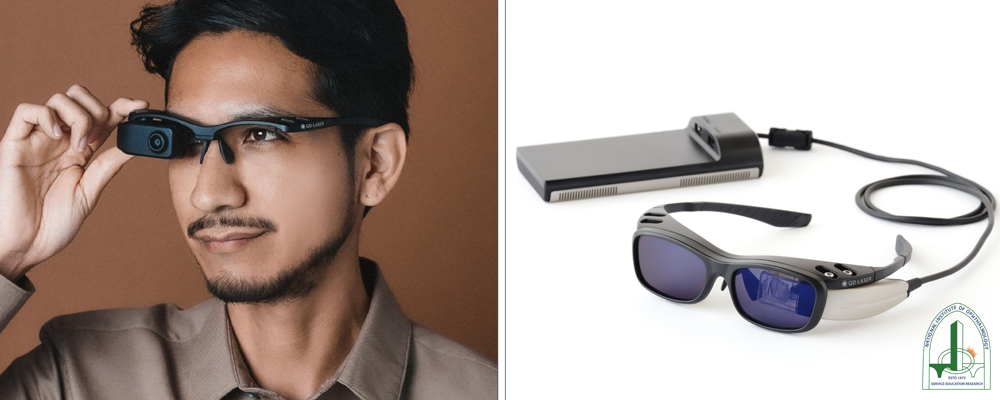
  1. Prescription of low vision aids – magnifiers, telescopes, electronic devices.
  2. Perfect refraction for distance and near.
  3. Training in the use of optical and non-optical devices for reading, writing, and daily activities and uses of sunglass, cap, umbrella, White cane or stick as per need.
  4. Adaptive technology guidance – screen readers, text-to-speech software, and digital magnifiers.
  5. Vision rehabilitation therapy – techniques to optimize remaining vision.
  6. Orientation and mobility training – safe navigation for visually impaired individuals.
  7. Environmental adaptation advice – home, school, and workplace modifications.
  8. Counseling and support for patients and families.

Treatment Strategies and Goals

  • Maximizing remaining vision through optical glasses, customized low vision devices and training.
  • Improving functional independence in daily life, professional, education, and employment.
  • Patient education and counseling for psychological adaptation to vision loss.
  • Collaboration with other ophthalmology departments to manage underlying conditions contributing to visual impairment.
  • Community outreach and awareness programs to identify and assist individuals with low vision by seminar, symposium, CME, social media.
  • Support for children with visual impairment in academic and developmental activities.
  • Provide certificate to school teacher for the benefit as per rules of low vision.
  • Genetic counselling not to marriage between first degree cousins to prevent the diseases.
  • Training and treatment of other members of the family.
  • Treatment of associated disease with symptomatic treatment.
  • Certified the patient as low vision to receive the benefit of government allowance by visually handicapped card, visual disability card associated with the help of social welfare department.
  • Most alarming is the number of location patient increasing divided
Emergency Hotlines